



South Africa
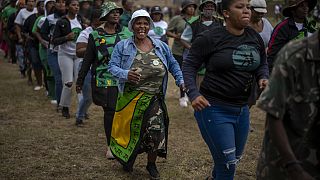
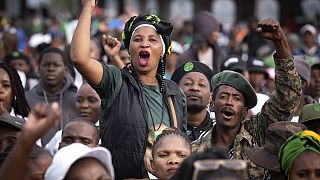
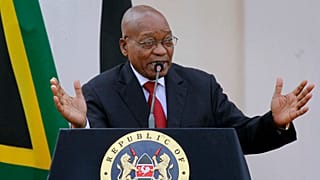
Inkatha Freedom Party (IFP) leader Velenkosini Hlabisa arrived to his party's final rally Sunday in Richards Bay ahead of South Africa's critical elections on 29 May.
IFP is among the smaller opposition parties in the country.
South Africans vote for parties and not directly for their president in national elections.
Parties then get seats in Parliament according to their share of the vote and the lawmakers elect the president.
"Once people have spoken it will be a different matter. When we look at the results we will consider whatever options that will be available to us. There are so many options. There are other political parties who have no history of destroying our country. No history of corruption. There are also independent candidates who will add value in terms of numbers,” IFP leader Hlabisa said.
If the African National Congress (ANC), which has been in the government ever since the end of white minority rule in 1994, goes below 50%, it would likely need an agreement with other parties to have the votes in Parliament to reelect sitting president Cyril Ramaphosa, once a protege of Nelson Mandela.
Several polls have the ANC's support at less than 50%, raising the possibility that it will have to form a national coalition.
That would also be a first for South Africa's young democracy, which was only established 30 years ago with the first all-race vote that officially ended the apartheid system of racial segregation.


01:32
South Africa's ANC party launches reform plan to win back votes in local polls
01:13
Benin elections: parties end campaigning days ahead of vote
01:05
Ivory Coast vote count begins after divisive legislative elections
01:20
Ivorians head to the polls as divisions from Presidential vote linger
00:13
Ivory Coast opposition alleges voter data fraud ahead of elections
01:43
Egyptians vote in second phase of parliamentary elections